
Key Takeaways
- Core concept: covers mealtime glucose spikes with predictable action.
- Onset and peak: timing drives pre-meal injection planning.
- Names: regular human formulations and select branded options.
- Safety: hypoglycemia risk rises with dosing or delayed meals.
- Context: compare with intermediate and long-acting basal options.
How This Insulin Category Works
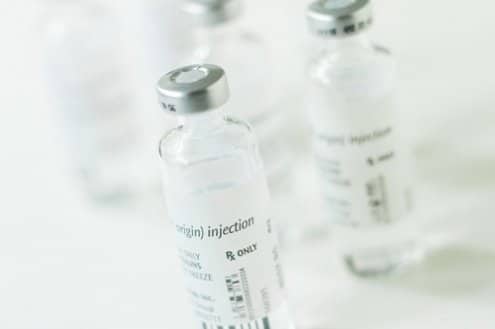
Short-acting insulin reduces blood glucose around meals by replacing or supplementing endogenous insulin. It is formulated as regular human insulin and designed for predictable absorption and action. Clinicians often pair it with a basal agent to maintain overnight and between-meal control.
Understanding its onset and peak helps align injection timing with carbohydrate absorption. This matters because mismatched timing may increase hypoglycemia or post-meal hyperglycemia. For mealtime management concepts and dosing context, see Prandial Insulin Types for a concise overview.
Prandial Insulin Types offers background on bolus strategies, which complements the practical timing details here.
Short-Acting Insulin: Onset, Peak, Duration
Short-acting human insulin typically begins acting within 30 minutes. Many individuals inject 30 minutes before eating to match digestion, though clinical plans vary. Absorption may be slower with colder skin, delayed gastric emptying, or peripheral vascular disease, so individual responses differ.
Peak effect generally occurs a few hours after injection, followed by a gradual decline. Food composition matters: high fat and protein may delay glucose appearance and shift the apparent effect window. For authoritative parameters on insulin action, the American Diabetes Association summarises typical ranges in their annual standards of care.
These timing ranges are outlined in the ADA’s pharmacologic guidance; see the Standards of Medical Care section for context (ADA Standards of Medical Care).
Names and Types With Examples
Regular human insulin is the reference formulation for this category. Common brands include Humulin R and Novolin Toronto (also called Novolin R in some markets). In many regions, Actrapid is an established regular insulin brand. These options share similar pharmacokinetics but may differ in formulation details and pens versus vials.
Rapid-acting analogs (for example, insulin aspart or glulisine) are not the same as short-acting human insulin; they start faster and peak earlier. To compare specific rapid analogs used at meals, see Apidra Insulin Peak Time for kinetics and related clinical use cases. For a human regular example, review Novolin R Onset for labeled timing details and practical scenarios.
We discuss analog specifics in these references to clarify timing choices: Apidra Insulin Peak Time for analog kinetics, and Novolin R Onset for a regular human baseline.
Regular Insulin: Timing, Duration, Teaching
In clinical labeling, regular insulin duration of action typically spans several hours, long enough to influence post-meal and mid-interval glucose. Patients may be advised to inject before meals and monitor glucose to learn their personal curve. Consistent carbohydrate intake supports more predictable responses.
Brand labels provide specific timing ranges that inform practice. For example, the U.S. DailyMed listing for regular human insulin describes onset, peak, and duration parameters used widely in education. You can review these neutral references to align expectations with labeled data (HUMULIN R label on DailyMed).
When comparing mealtime choices, some people transition to rapid analogs for flexibility. For background on a commonly used analog, see Novolog Insulin Aspart Uses for clinical contexts and dosing scenarios.
Patient Teaching and Administration
Teach consistent injection technique. Use subcutaneous sites with adequate adipose tissue, rotate within a region to reduce lipodystrophy, and allow alcohol to dry before injecting. If a dose is delayed, reassess meal timing to avoid stacking doses and increasing hypoglycemia risk.
Discuss syringe, pen, or pump delivery options. Pens may improve dose accuracy for some users; vials offer flexibility for mixed regimens when appropriate. Educators often reinforce carbohydrate counting skills and sick-day adjustments. For integrated basal-bolus use cases and timing principles, see the structured overview in Basal-Bolus Insulin Therapy, which complements this section.
Intermediate and Long-Acting Overview
Intermediate insulin, such as NPH, bridges daytime and overnight needs by providing extended background coverage. Practical questions often arise about which products belong here. For example, intermediate-acting insulin nph refers to isophane formulations that typically peak later than short-acting options, which may influence nocturnal hypoglycemia risk.
People sometimes ask about brand naming conventions. Humulin I is considered an intermediate isophane product in many markets. To compare basal options and refine selection by duration and peak, see Long-Acting Insulin Names for examples and timing differences across the class.
Duration Benchmarks Across Basal Options
Background insulin keeps fasting levels steady between meals and overnight. Understanding long-acting insulin duration helps tailor dose timing and detect waning coverage. Variability exists between glargine, detemir, degludec, and biosimilars, and the clinical context guides selection.
Consider lifestyle patterns, hypoglycemia history, and nocturnal glucose trends when choosing a basal agent. When adjusting dose timing, track fasting and pre-meal values for several days. For broader timing comparisons, see Insulin Onset and Peak to align your expectations across categories.
Practical Peak Planning
Mealtime matching aims to place insulin’s peak near the meal’s glycemic impact. This is where short acting insulin peak informs how far ahead to inject and whether to split doses when meals are prolonged. People with gastroparesis or high-fat meals may require individualized timing strategies.
When meals are unpredictable, some clinicians prefer rapid analogs or correction scales. Comparative timing between analogs can help set expectations; see Apidra vs Humalog for a side-by-side overview used in mealtime planning decisions.
Safety, Side Effects, Contraindications
Common short-acting insulin side effects include hypoglycemia, injection site reactions, and mild edema. Lipodystrophy and weight change may occur over time, influenced by total dose and diet. Hypoglycemia risk increases with activity changes, missed meals, or alcohol intake, so emphasize meter or CGM checks during regimen changes.
Contraindications include active hypoglycemia and hypersensitivity to formulation components. Dose adjustments may be needed in renal or hepatic impairment, with careful monitoring. For human regular products, label language describes cautions and adverse reactions; see the neutral drug reference above for aligned manufacturer statements (DailyMed product information).
Comparison Table and Names
A concise types of insulin chart helps compare onset, peak, and duration across classes. Use this as a starting point for timing discussions with your clinician. Individual response varies, so confirm changes with supervised glucose monitoring.
| Category | Examples | Onset | Peak | Duration |
|---|---|---|---|---|
| Short-acting (Regular) | Humulin R, Novolin Toronto, Actrapid | ~30 minutes | 2–4 hours | 5–8 hours |
| Rapid-acting | Aspart, Lispro, Glulisine | ~10–20 minutes | 1–3 hours | 3–5 hours |
| Intermediate (NPH) | NPH brands (e.g., Humulin I) | ~1–2 hours | 4–12 hours | 12–18 hours |
| Long-acting | Glargine, Detemir | ~1–2 hours | Minimal peak | ~20–24 hours |
| Ultra long-acting | Degludec | ~1 hour | Flat profile | >24 hours |
For premixed options that blend short or rapid with intermediate components, see Premixed Insulin Guide for how ratios affect timing and mealtime flexibility.
Recap
Short-acting human insulin covers meals with a predictable onset and a later peak. Use consistent injection technique, align timing with meal composition, and monitor glucose to personalize your curve. Compare with intermediate or basal agents to build a stable, flexible plan.
When learning brand differences, review labeled parameters and consider lifestyle needs. Internal references above provide kinetics and practical teaching points across categories, helping you place each option in a clear framework.
Note: Always individualize timing and dose with your healthcare team, especially when switching products or delivery devices.
This content is for informational purposes only and is not a substitute for professional medical advice.


