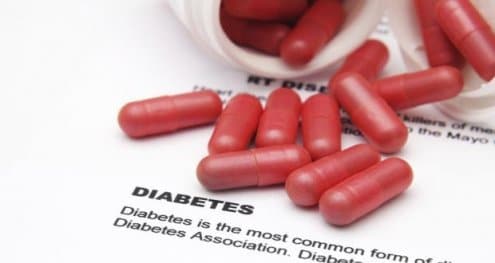
Oral hypoglycemic medications help people with type 2 diabetes lower blood glucose. This guide explains the main classes, how they work, and when clinicians may choose them. It also reviews common risks, interactions, and practical monitoring steps. Use it to better understand treatment discussions and shared decision-making.
Key Takeaways
- Multiple drug classes target different defects in type 2 diabetes.
- Metformin is often first-line; add agents by comorbid needs.
- Balance A1C lowering with hypoglycemia and weight effects.
- Kidney, liver, and heart status guide safer choices.
Oral Hypoglycemic Medications: What They Are
These medicines lower blood sugar through several mechanisms. Some increase insulin release from the pancreas, while others improve insulin sensitivity in muscle and liver. Additional options reduce glucose reabsorption in the kidneys or slow carbohydrate digestion in the gut. Because type 2 diabetes involves multiple defects, combination therapy is common and often necessary over time.
Clinicians individualize therapy, considering A1C, symptoms, and complications. Weight, hypoglycemia risk, cardiovascular disease, and kidney function all influence selection. Many patients start with metformin, then add agents that complement its effect. Newer classes also provide heart and kidney benefits in specific groups, which shapes modern treatment.
Classification and Mechanisms of Action
Drugs are grouped by their primary mechanism. Broad categories include biguanides (metformin), sulfonylureas, meglitinides, thiazolidinediones (TZDs), DPP-4 inhibitors, SGLT2 inhibitors, alpha-glucosidase inhibitors, bile acid sequestrants, and dopamine agonists. Some fixed-dose combinations simplify multi-drug regimens, which can improve adherence.
Each class targets different pathophysiology. For example, metformin reduces hepatic glucose production and improves insulin sensitivity. Sulfonylureas and meglitinides stimulate insulin secretion, which lowers glucose but may cause hypoglycemia. DPP-4 inhibitors raise incretin levels to boost meal-time insulin with less hypoglycemia. SGLT2 inhibitors increase urinary glucose excretion and may support modest weight loss. TZDs enhance insulin sensitivity in adipose and muscle tissue.
Major Classes and How They Work
Biguanides: Metformin reduces gluconeogenesis and improves peripheral uptake. It is often weight-neutral and may cause gastrointestinal discomfort. Sulfonylureas (e.g., glimepiride) close beta-cell potassium channels to increase insulin release. They can control A1C quickly but carry hypoglycemia risk and potential weight gain.
DPP-4 inhibitors (e.g., linagliptin) prevent incretin breakdown, enhancing glucose-dependent insulin secretion. SGLT2 inhibitors (e.g., dapagliflozin) block renal glucose reabsorption, promoting glucosuria and mild osmotic diuresis. TZDs (e.g., pioglitazone) improve sensitivity through PPAR-γ activation but may cause edema. Alpha-glucosidase inhibitors slow carbohydrate absorption to blunt postprandial spikes. These patterns provide a practical mental map for an oral hypoglycemic drugs classification.
For a broad overview of agent groups and their actions, see Common Diabetes Medications for a quick mechanism refresher. For class distinctions between metformin and sulfonylureas, see Metformin vs Sulfonylurea for class differences in practice.
Choosing First-Line and Add-On Therapy
Metformin is commonly used first unless contraindicated or poorly tolerated. Clinicians then add another class when A1C remains above target. The choice depends on comorbidities, hypoglycemia risk, weight concerns, kidney function, and cost or access. Agents with cardiovascular and renal benefits are prioritized in patients with corresponding conditions.
People with established atherosclerotic cardiovascular disease may receive SGLT2 inhibitors or GLP-1 receptor agonists for additional risk reduction. Those with chronic kidney disease may benefit from SGLT2 inhibitors to slow progression. In practice, first line oral hypoglycemic drugs are chosen alongside lifestyle interventions and periodic reassessment. For combination choices and safety safeguards, see Acceptable Combinations of Diabetes Medications for safe pairing guidance. For foundational strategy, the ADA Standards of Care outline current decision frameworks.
Benefits and Risks
All classes lower A1C, but the benefit profiles differ. SGLT2 inhibitors may support weight loss and reduce heart failure hospitalization. DPP-4 inhibitors are weight-neutral with low hypoglycemia risk. Sulfonylureas lower glucose quickly but can cause low blood sugar, especially with irregular meals. TZDs may help insulin resistance but can cause edema and weight gain.
Common adverse effects include gastrointestinal upset with metformin, genital mycotic infections with SGLT2 inhibitors, and rare pancreatitis signals with incretin therapies. Evaluate baseline risks and monitor closely after changes. When reviewing oral hypoglycemic drugs side effects, also consider how orally administered antidiabetic drugs interact with meals, exercise, and alcohol. For symptom recognition and response planning, see Fasting Hypoglycemia for causes and first steps. For practical sulfonylurea considerations, see Glimepiride Dosage for dosing context and precautions.
Contraindications and Interactions
Some agents require careful avoidance or dose adjustment. Severe renal impairment limits metformin in many guidelines due to lactic acidosis risk. Certain SGLT2 inhibitors are not recommended at low eGFR thresholds. TZDs can worsen fluid retention, which matters in heart failure. Alpha-glucosidase inhibitors are unsuitable in significant GI disease.
Drug interactions also shape safety. Concomitant insulin or secretagogues increase hypoglycemia risk. Glucocorticoids and select antipsychotics may raise glucose, requiring closer monitoring. Before prescribing, review oral hypoglycemic drugs contraindications alongside organ function, heart status, and plans for surgery or contrast studies. For heart failure implications, see Pioglitazone and Heart Failure for cardiovascular context. For serious safety updates on SGLT2 inhibitors, see the FDA safety update summarizing risk communications.
Practical Use: Dosing, Monitoring, and Reference Charts
Start low and titrate based on A1C, fasting glucose, and tolerability. Reassess every 8–12 weeks to adjust therapy or add a complementary class. Many clinicians maintain metformin and add SGLT2 inhibitors, DPP-4 inhibitors, or sulfonylureas as needed. An oral hypoglycemic agents chart in your clinical notes or electronic record can streamline choices, targets, and dose limits by kidney function.
Link medications with clear lab schedules. Track eGFR when using metformin or SGLT2 inhibitors. Monitor liver enzymes for TZDs if clinically indicated. Watch for hypotension with diuretic use and SGLT2 inhibitors. For brand-specific references that may aid regimen planning, see Glumetza for an extended-release metformin option, Dapagliflozin for a representative SGLT2 inhibitor, and Invokamet for a fixed-dose combination rationale.
Note: Document baseline A1C, eGFR, body weight, and cardiovascular history before escalating therapy. Align follow-up labs with agent-specific risks and patient preferences.
Special Topics: Hypoglycemia and Hyperglycemia Episodes
Hypoglycemia risk increases with insulin secretagogues and in older adults with renal impairment. Teach recognition: shaky, sweaty, hungry, or confused. Plan for quick carbohydrate intake if levels drop. Consider de-intensification if episodes recur. Non-insulin agents like DPP-4 inhibitors carry lower risk, which may suit those living alone or driving often.
Glucocorticoids, high-dose niacin, and some antipsychotics act as hyperglycemic agents, often requiring temporary regimen adjustments. Illness, surgery, and missed doses also raise glucose unpredictably. Provide sick-day rules and meter use refreshers. If targets drift upward despite adherence, consider switching classes or adding therapies, and reassess for secondary causes. For incretin options beyond tablets, see Trulicity Drug Class for injectable context and Adlyxin Uses and Side Effects for class comparisons.
Compare & Related Topics
Knowledge improves when you view drug categories side by side. Keep an oral hypoglycemic drugs list that highlights A1C impact, hypoglycemia risk, weight effects, renal limits, and cardiovascular outcomes. Add patient-specific factors such as prior intolerance and adherence barriers. Compile typical starting doses and maximums to support quick adjustments during visits.
Some agents may suit particular patterns. Meglitinides can address high post-meal glucose with flexible dosing. Alpha-glucosidase inhibitors also target spikes after carbohydrate-heavy meals. For combination logic and therapy sequencing, see Common Diabetes Medications for mechanism summaries and Acceptable Combinations of Medications for pairing safety. For disease background and trends, explore the Type 2 Diabetes hub for broader context.
Recap
Oral therapies for type 2 diabetes span several mechanisms, allowing tailored regimens. Start with metformin when appropriate, then add agents based on comorbid conditions and safety. Monitor kidney and cardiovascular status to guide choices and dose limits. Revisit goals routinely to reduce hypoglycemia, maintain A1C targets, and protect organs over time.
This content is for informational purposes only and is not a substitute for professional medical advice.