
Key Takeaways
- Device overview: Pens deliver preset insulin doses with simple, discreet operation.
- Right fit matters: Pick pen and cartridge types based on insulin regimen.
- Technique prevents errors: Prime, inject correctly, and rotate sites every time.
- Storage protects potency: Keep unopened stock refrigerated and avoid heat extremes.
Many adults and teens manage diabetes with insulin pens because they are portable and intuitive. These devices may reduce setup steps and dosing mistakes compared with vials. Understanding pen types, technique, and storage helps you use therapy confidently and safely.
What Are Insulin Pens?
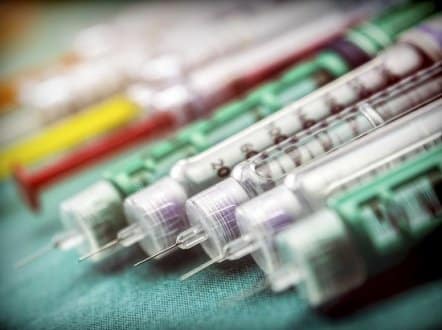
These handheld injectors deliver insulin through disposable needles and a dialed dose. Pens come as prefilled, single-use devices or as reusable bodies that accept cartridges. Both models aim to simplify dosing, travel, and timing. They also reduce the number of supplies you carry day to day.
Clinicians often recommend pens to improve adherence and accuracy. Mechanical dose limits can lower the risk of accidentally dialing too much. Still, users must learn priming, injection technique, and site rotation. Good habits, plus regular review with a care team, help maintain safe use.
Types and Cartridges Explained
Pens can be prefilled or cartridge-based. Prefilled pens are disposed of when empty or after the in-use period ends. Cartridge-based systems use a durable pen body plus replaceable insulin cartridges. This approach may reduce plastic waste and can be preferred by people who need fine dose adjustments.
You will also see pens configured for rapid-acting, short-acting, intermediate, long-acting, or ultra-long-acting insulin. Some devices support concentrated strengths, which change delivered volume but not units. For a structured overview of cartridge formats and compatibility, see Insulin Cartridges Guide to compare cartridge formats and compatibility details.
| Insulin Action | Common Use | Device Formats |
|---|---|---|
| Rapid-acting | Meals and corrections | Prefilled pens; cartridge pens |
| Long-acting | Basal (background) insulin | Prefilled pens; cartridge pens |
| Premixed | Fixed basal/bolus ratios | Prefilled pens |
If you are comparing models, note the dose increment (e.g., 0.5-unit steps), maximum single dose, and visibility of the dose window. These details matter for small corrections and low total daily doses. Many clinicians also weigh hand strength and vision needs when recommending devices.
Note: Product availability, colors, and dose increments vary by market. Always confirm compatibility before purchasing cartridges or needles.
People often look for an overview of the types of insulin pens available when starting insulin therapy. Focus on action profile, dose increments, and whether you prefer a prefilled or cartridge system. Discuss the decision with your clinician to match therapy goals and lifestyle.
Benefits and Limits
Pens can improve convenience, privacy, and dose accuracy. Dialed steps and audible clicks help users confirm doses. On-the-go dosing can support mealtime coverage outside the home. Less handling may also lower contamination risks compared with drawing from vials.
However, pens are not perfect. Some models limit maximum dose per injection, requiring split doses for higher needs. Certain devices are not compatible with all needle lengths. People with limited hand dexterity may find smaller dials hard to turn. Weigh these tradeoffs before choosing your device.
Safe Use: Steps and Technique
Correct technique helps insulin absorb consistently and reduces complications. Review steps with a diabetes educator, then practice with a demo or empty device. For pen needle selection and safe attachment, see Insulin Pen Needles Guide for pen needle selection basics and technique tips.
- Wash and dry hands; inspect the pen and cartridge.
- Attach a new needle firmly; remove caps.
- Prime per instructions to clear air and confirm flow.
- Dial the dose; choose a recommended injection site.
- Insert at 90 degrees into subcutaneous tissue.
- Press and hold the plunger; count slowly to ensure delivery.
- Remove the needle; safely recap and dispose of sharps.
Site rotation helps prevent lipohypertrophy (fatty tissue thickening) that can alter absorption. For visuals and site spacing examples, see Where to Inject Insulin for recommended sites and rotation patterns. If you need a printable refresher, ask your clinic for a how to use insulin pen step-by-step pdf that matches your device brand.
Priming and Dosing Errors
Priming clears air from the needle and confirms insulin flow before each injection. Skipping this step may lead to under-dosing because part of the dialed dose pushes air instead of medicine. Most manufacturers recommend a priming step every time you attach a new needle.
People often ask what happens if you don t prime insulin pen. The likely result is a lower than intended delivered dose, which can cause higher glucose later. If you suspect a missed or incomplete dose, follow your clinician’s correction plan. When in doubt, monitor glucose and record what happened to review at your next visit.
Storage and Stability
Unopened pens are typically stored refrigerated until first use, away from freezing. After first use, most pens are kept at room temperature for a set in-use period. Heat, freezing, or direct sunlight can degrade insulin and reduce potency. Always check the device leaflet for up-to-date, brand-specific storage timelines.
For general principles on storing insulin and protecting potency, the American Diabetes Association provides insulin storage guidance that covers temperature limits and handling. Manufacturer prescribing information also lists in-use days for specific products; see one example in the prescribing information for storage timeframes and disposal instructions.
Tip: Keep a thermometer in your medication storage area. Record open dates on a label so you know when to discard in-use pens.
Maintenance and Reuse
Some people use a reusable insulin pen with swappable insulin cartridges. This design can be cost-effective over time and reduces waste. Check that cartridges match your pen body by model and insulin type. When traveling, pack at least one spare cartridge and several needles.
Clean the pen body with a slightly damp cloth if needed. Do not immerse or sterilize the device. Never share pens or needles under any circumstances due to bloodborne infection risks. The U.S. Centers for Disease Control and Prevention provides a concise reminder on pen sharing that outlines safety and infection control.
Choosing a Pen for Type 1 vs Type 2
Therapy needs differ by diagnosis and individual response. People with type 1 usually need both basal and mealtime insulin. Those with type 2 may start with basal insulin alone and later add mealtime doses. Work with your clinician to match device features to your regimen and dosing skills.
Some individuals consider insulin pens for type 2 diabetes when basal control or convenience is a priority. If you want more background on condition management, browse Type 2 Diabetes for broader disease management context and lifestyle topics. For a refresher on insulin classes, see Different Types Insulin for action profiles and use cases.
Brands and Device Examples
Multiple brands offer pens across rapid- and long-acting categories. Dosing increments, maximum per-injection limits, and in-use durations vary. Review the device’s instructions with your care team before first use. If you prefer ultra-long basal coverage, evaluate features and increments against your dosing needs.
For a deeper look at one basal platform, see Tresiba Flextouch Pens Guide for basal pen features and dosing increments overview. As an example of a rapid-acting mealtime device, review the Humalog KwikPen as a common rapid‑acting mealtime option. For premixed regimens, see Premixed Insulin Overview to understand fixed‑ratio mixes and timing considerations.
| Category | Examples | Notes |
|---|---|---|
| Long-acting basal | Lantus/insulin glargine, Levemir/insulin detemir, Tresiba/insulin degludec | Check dose increments and in-use room-temperature limits. |
| Rapid-acting bolus | Humalog/insulin lispro, NovoRapid/insulin aspart, Apidra/insulin glulisine | Confirm dose range and compatibility with chosen needles. |
| Premixed options | Examples combine intermediate and rapid components | Fixed ratios; review timing and meal consistency. |
If you use cartridges with a durable body, confirm fit and units before loading. For a broader overview of therapy content on the site, explore Diabetes Articles for curated education pieces and updates.
Costs and Access
Retail costs vary by brand, formulation, strength, and local coverage. Formulary rules also differ by province or insurer. When comparing devices, factor the pen body (if needed), needles, and cartridge or pen supply.
People often search for insulin pen price to plan budgets and refills. Discuss coverage options with your care team or insurer, and ask about patient assistance where available. Device longevity and in-use timelines also influence overall cost of therapy and wastage.
Safety, Disposal, and Recordkeeping
Use a new needle for each injection to reduce contamination and tissue injury. Dispose of needles and pen tips in a puncture-resistant sharps container. The U.S. Food and Drug Administration offers guidance on safe sharps disposal with community program options. Never throw loose needles in household trash.
Keep a simple log of doses, times, injection sites, and glucose readings. Written notes help identify patterns and technique problems. If technique questions persist, schedule a skills check with a diabetes educator. For basal device nuances, see Tresiba Flextouch Pens Guide as one example resource for basal device features.
Recap
Pen devices can simplify insulin delivery and support daily routines. Choose a format that matches your insulin types, dose increments, and dexterity. Practice the core steps—prime, inject, hold, rotate—and protect insulin from heat and freezing. Revisit technique regularly and update your plan as your needs change.
This content is for informational purposes only and is not a substitute for professional medical advice.


