

Key Takeaways
- Class overview: GLP-1 receptor agonists improve glucose control.
- Evidence suggests benefits on weight and cardiometabolic risk.
- Common adverse effects are gastrointestinal and usually dose-related.
- Not suitable for some thyroid and pancreatitis histories.
This guide explains how incretin mimetics drugs fit into type 2 diabetes care and clarifies where these agents may help in everyday practice.
Incretin Mimetics Drugs: Class and Core Concepts
GLP-1 receptor agonists are medications that mimic endogenous incretin hormones (gut peptides that enhance insulin secretion). In plain terms, they help your body release more insulin when glucose rises, reduce liver glucose output, and often reduce appetite. Clinically, they are used for type 2 diabetes management and sometimes for chronic weight management in eligible adults.
Mechanistically, these agents bind the GLP-1 receptor, enhancing glucose-dependent insulin secretion, slowing gastric emptying, and modulating appetite centers. This mechanism lowers fasting and post-meal glucose with low intrinsic hypoglycemia risk when used without insulin or sulfonylureas. Many agents also show favorable effects on body weight and some cardiovascular risk factors, which is why clinicians increasingly consider them for broader cardiometabolic indications.
Note: Say “incretin” as in-KREE-tin. You may also see these medicines called GLP-1 RAs (GLP-1 receptor agonists) or incretin mimetics, which all refer to the same therapeutic concept.
GLP-1 Drug List: Examples, Formulations, and Pipeline
The class features daily or weekly injectables and a growing set of oral formulations. Established examples include exenatide, liraglutide, dulaglutide, semaglutide, and lixisenatide. Fixed-ratio combinations with basal insulin also exist for integrated glucose control. Oral semaglutide expanded access for people who prefer tablets over injections.
For an orientation to the broader Injectable Diabetes Medications, see this overview for class-by-class context. You can also compare established agents in Trulicity vs Byetta and Byetta vs Victoza discussions for practical differences in dosing and use. For therapeutic applications of dulaglutide, the Trulicity Dulaglutide Uses guide offers a concise review.
Developments continue in the oral and nonpeptide space. Early reports on small-molecule GLP-1 agents and novel formulations are emerging. For pipeline context and head-to-head insights, see Orforglipron vs Rybelsus for how next-generation oral options may compare in practice, and follow Orforglipron Clinical Trials for updated results and milestones.
Clinicians often assemble an incretin mimetics drug list that includes both marketed injectables and oral semaglutide, with future additions expected as trials read out and approvals evolve.
Side Effects and Safety: Short-Term Considerations
Most people will encounter gastrointestinal effects early in therapy, especially during dose escalation. Nausea, vomiting, diarrhea, and decreased appetite are common and typically improve over weeks. Injection-site reactions and transient heart rate increases can occur. Hypoglycemia risk rises when combined with insulin or sulfonylureas, so clinicians often adjust those agents to reduce lows.
Gallbladder-related effects have been reported. Rare events include pancreatitis, which warrants prompt evaluation for severe, persistent abdominal pain. For a regulator-level summary of common and serious glp-1 side effects, review the FDA’s prescribing information for semaglutide, which outlines class warnings, adverse reactions, and use recommendations.
Gastrointestinal and Gallbladder Effects
Gastrointestinal symptoms are usually dose-related and may be mitigated by slower titration and taking smaller, lower-fat meals during the first weeks. Clinicians sometimes advise spacing other oral medicines if gastric emptying symptoms are troublesome. Biliary colic or cholelithiasis can occur; notify a healthcare professional if upper-right abdominal pain, fever, or jaundice develops. While these issues are uncommon, being aware of early warning signs helps patients respond promptly and avoid complications.
Long-Term Safety and Monitoring
Long-term surveillance focuses on sustained tolerability, pancreatitis risk, gallbladder disease, kidney function in susceptible individuals, and rare thyroid-related concerns. Clinicians also monitor weight, A1C, and cardio-renal markers over time to ensure benefits outweigh risks in real-world use. Ongoing trial extensions and postmarketing data continue to clarify the durability of outcomes.
Questions sometimes arise about glp-1 long-term side effects, including whether gastrointestinal issues persist or whether risks accumulate. Most evidence to date suggests side effects often lessen after initial titration, while cardiometabolic benefits may persist. For broader clinical context, the ADA Standards of Care provide evolving guidance on indications, monitoring, and safety considerations for GLP-1–based therapies.
Weight and Cardiometabolic Outcomes
Across trials, these medicines typically support clinically meaningful weight reduction and may improve cardiometabolic risk profiles. Mechanisms include appetite suppression and slower gastric emptying, which lead to lower caloric intake. Several agents have shown cardiovascular outcome benefits in select populations, which guides therapy selection for people with existing atherosclerotic cardiovascular disease.
For a population perspective, see GLP-1 Weight Loss Drugs for how obesity trends intersect with therapy uptake. To compare dual and single agonists in weight management, review Tirzepatide vs Semaglutide; it highlights practical trade-offs in design and effects. Cardiac effects that extend beyond weight are summarized in Mounjaro Heart Benefits, which outlines emerging signals and trial endpoints.
In clinical practice, incretin mimetics for weight loss are used under labeling and clinical guidance, with attention to eligibility, dosing titration, and monitoring plans. Why this matters: matching the agent to the individual’s metabolic profile can help balance effect size with tolerability.
Oral Options and Daily Practice
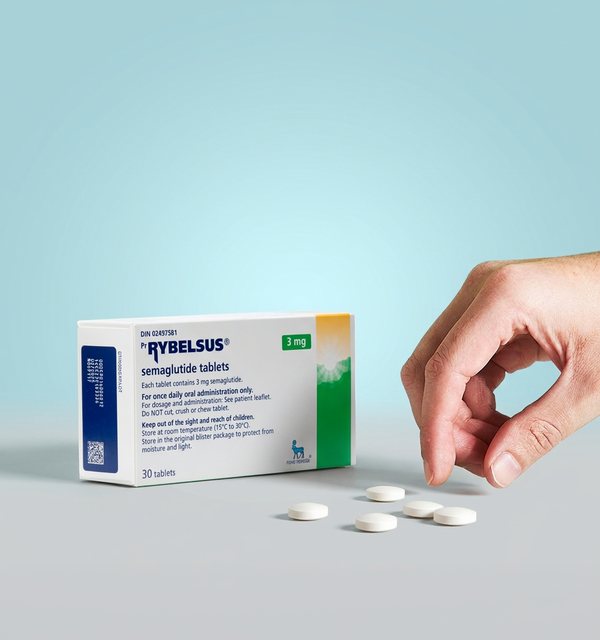
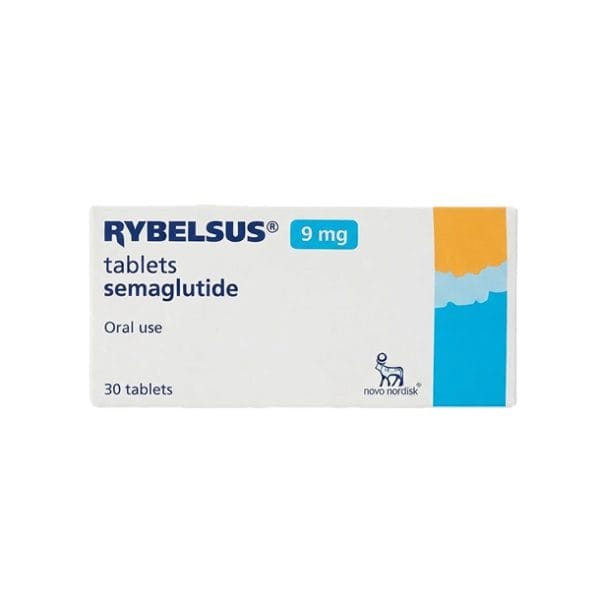
Oral semaglutide offers a non-injectable GLP-1 option for people who prefer tablets and can follow administration instructions closely. Absorption depends on taking it on an empty stomach with limited water and waiting before eating. Some next-generation small molecules aim to simplify dosing rules, though data are still emerging.
Practical comparisons of oral pathways are covered in Orforglipron vs Rybelsus, which outlines how oral design may affect glucose and weight outcomes. For broader treatment placement in type 2 diabetes, see Injectable Type 2 Diabetes for context on when GLP-1 RAs complement other classes. In everyday clinics, incretin drugs diabetes decisions often consider A1C targets, cardiovascular history, kidney function, and patient preference.
Practical Use: Administration and Everyday Considerations
Administration details vary by brand, but most injectables use weekly dosing with single-use or multi-dose pens. Clinicians often recommend rotating injection sites, reviewing hypoglycemia precautions when used with insulin or sulfonylureas, and emphasizing missed-dose rules. Storage typically requires refrigeration before first use and room-temperature windows afterward, following the specific product label.
Language clarity can help during counseling. If you are unsure about incretin pronunciation, say in-KREE-tin to avoid confusion during medication reviews. Patients sometimes ask about vitamins or botanicals acting like incretins; evidence for such approaches remains limited, and products are not regulated or studied like prescription agents. Why this matters: clear guidance avoids mixing unproven supplements with established therapy.
Contraindications and Cautions
Most agents in this class carry a boxed warning for thyroid C-cell tumors observed in rodent studies; they are contraindicated in patients with a personal or family history of medullary thyroid carcinoma or in those with multiple endocrine neoplasia syndrome type 2. A history of pancreatitis warrants caution, and new severe abdominal pain should prompt evaluation. Pregnancy and breastfeeding considerations require individualized clinical judgment based on risks and benefits.
Some medicines interact pharmacodynamically by increasing hypoglycemia risk when combined with insulin or sulfonylureas; clinicians frequently reassess those doses when initiating a GLP-1 RA. Individuals with severe gastrointestinal disease may not tolerate delayed gastric emptying effects. Discuss incretin mimetics contraindications and all comorbidities with a qualified professional to ensure safe, coordinated care. For specific label cautions, the FDA’s class labeling and individual product pages provide detailed directions and warnings.
Compare and Related Topics
Agent selection often weighs glucose efficacy, weight effects, cardiovascular data, dosing schedule, and route. When deciding between daily and weekly products, look at adherence patterns and titration plans. Cross-class comparisons with SGLT2 inhibitors or basal insulin also inform stepwise therapy in real-world clinics.
To explore comparisons and therapeutic roles further, consult Trulicity Dulaglutide Uses for indication specifics, and read Trulicity vs Byetta for a focused comparison of two injectables. For pipeline context and timelines, follow Orforglipron Clinical Trials. For broader learning, browse Type 2 Diabetes Articles to situate GLP-1 therapies among related treatments and care topics.
Recap
GLP-1 receptor agonists are a key option for glucose management with added weight and cardiometabolic benefits for many adults. Most side effects are gastrointestinal and improve with thoughtful titration and diet adjustments. Long-term safety continues to be monitored, while outcomes research supports their growing role in comprehensive care.
Choosing a specific agent involves weighing evidence, dosing preferences, comorbidities, and safety profile. Understanding how the class works helps clinicians and patients set realistic goals and anticipate practical day-to-day needs during treatment.
This content is for informational purposes only and is not a substitute for professional medical advice.